Ultimate Guide to Digital Signage

April 29, 2026

Made you look

The ultimate guide to digital signage in Australia — types of displays, the technology stack, CMS platforms, retail media commercial models, and how to choose the right solution.

The Complete Reference Guide to Digital Signage

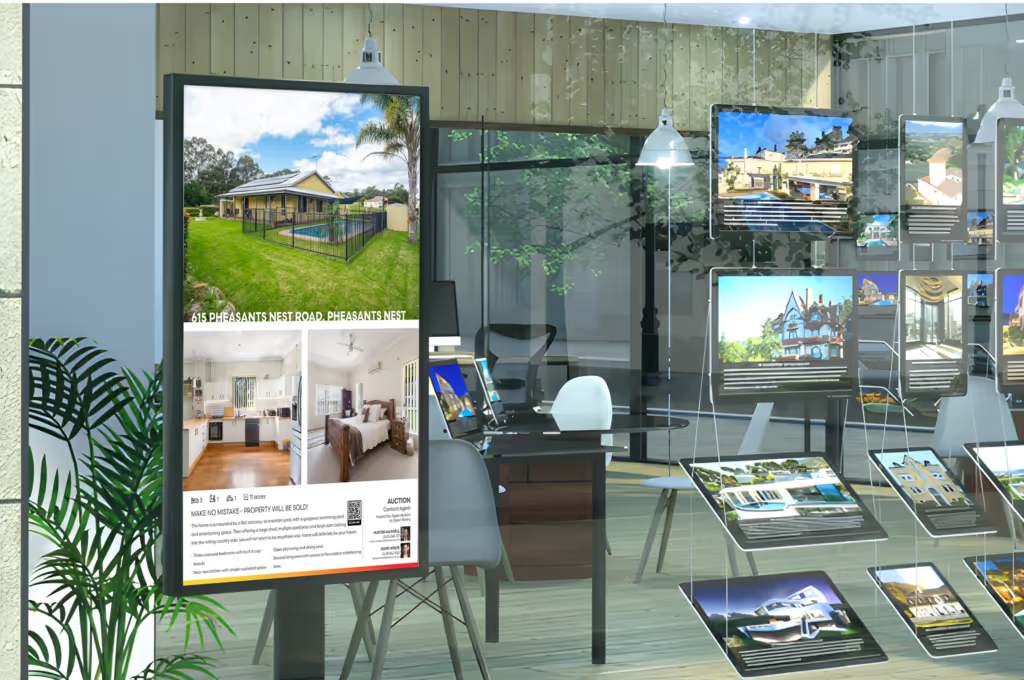
Digital signage is the use of digital displays to communicate with audiences in physical environments. From a single screen in a small retail store to a network of thousands of screens across a national retail chain, digital signage encompasses a wide range of technologies, applications, and business models.

Types of Digital Signage

Commercial LCD Displays

The most common form of digital signage, used in retail, hospitality, corporate, and public environments. Commercial-grade displays are specified for continuous operation (16 to 24 hours per day), high brightness (500 to 2,500 nits), and commercial warranties (3 to 5 years).

Fine-Pitch LED Video Walls

Used for high-impact brand environments, flagship stores, and large-format installations. LED video walls offer seamless tiling, high brightness, and long operational life, but require specialist installation and higher capital investment.

Transparent LED

Enables content to be displayed on glass surfaces, maintaining visibility through the display. Used in retail window displays, glass partitions, and architectural applications.

Outdoor LED

Used for external advertising, wayfinding, and brand communication in outdoor environments. Outdoor displays require high brightness (5,000 nits or more), weatherproofing, and robust mounting solutions.

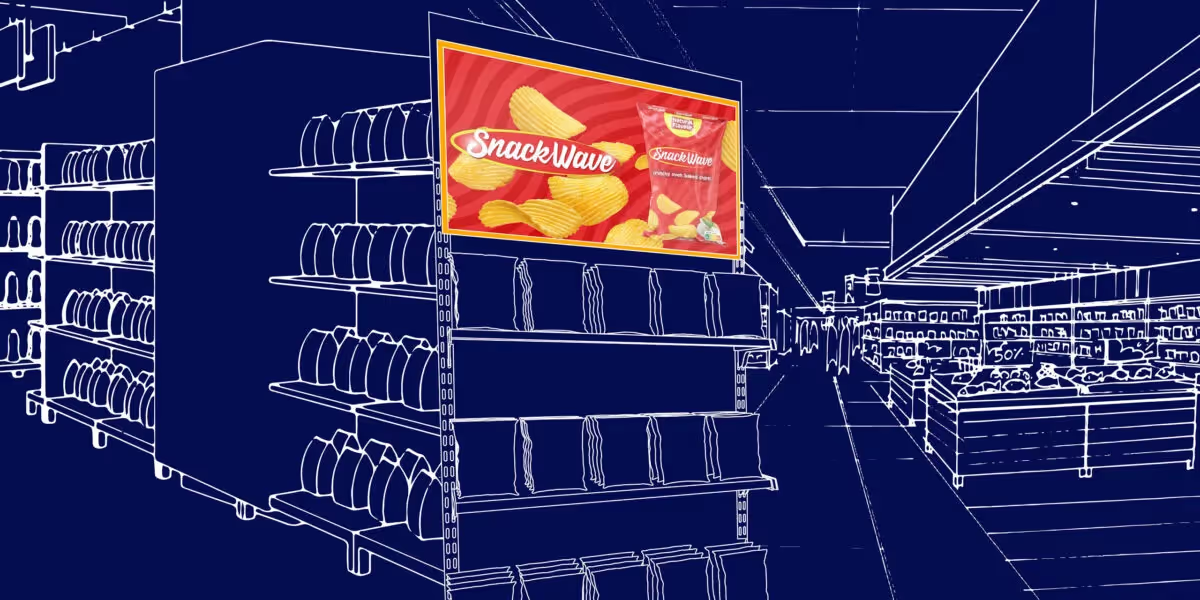
Digital Shelf Edge

Used in retail environments to show dynamic pricing, promotions, and product information at shelf level. They enable real-time price updates without manual label changes.

The Digital Signage Technology Stack

A complete digital signage system consists of the display (screen), the media player (the device that runs the CMS software and sends content to the screen), the content management system (the software that manages content scheduling and distribution), the network infrastructure (the connectivity that links media players to the CMS), and for retail media networks, the programmatic SSP (the technology that connects screen inventory to advertisers).

Digital Signage

Ultimate Guide to Digital Signage

The ultimate guide to digital signage in Australia — types of displays, the technology stack, CMS platforms, retail media commercial models, and how to choose the right solution.

The Complete Reference Guide to Digital Signage

Digital signage is the use of digital displays to communicate with audiences in physical environments. From a single screen in a small retail store to a network of thousands of screens across a national retail chain, digital signage encompasses a wide range of technologies, applications, and business models.

Types of Digital Signage

Commercial LCD Displays

The most common form of digital signage, used in retail, hospitality, corporate, and public environments. Commercial-grade displays are specified for continuous operation (16 to 24 hours per day), high brightness (500 to 2,500 nits), and commercial warranties (3 to 5 years).

Fine-Pitch LED Video Walls

Used for high-impact brand environments, flagship stores, and large-format installations. LED video walls offer seamless tiling, high brightness, and long operational life, but require specialist installation and higher capital investment.

Transparent LED

Enables content to be displayed on glass surfaces, maintaining visibility through the display. Used in retail window displays, glass partitions, and architectural applications.

Outdoor LED

Used for external advertising, wayfinding, and brand communication in outdoor environments. Outdoor displays require high brightness (5,000 nits or more), weatherproofing, and robust mounting solutions.

Digital Shelf Edge

Used in retail environments to show dynamic pricing, promotions, and product information at shelf level. They enable real-time price updates without manual label changes.

The Digital Signage Technology Stack

A complete digital signage system consists of the display (screen), the media player (the device that runs the CMS software and sends content to the screen), the content management system (the software that manages content scheduling and distribution), the network infrastructure (the connectivity that links media players to the CMS), and for retail media networks, the programmatic SSP (the technology that connects screen inventory to advertisers).

Suggested FAQ's

Commonly asked Questions

What is digital signage?

Digital signage is the use of digital screens — LCD, LED, or other display technologies — to present content in public or commercial spaces. It encompasses everything from a single menu board in a café to a national network of thousands of retail screens managed by an enterprise CMS platform. Digital signage content can include video, animation, static graphics, data-driven content, and interactive elements, all managed and scheduled remotely.

What is the difference between commercial and consumer displays?

Commercial displays are built for continuous operation — typically 16 to 24 hours per day — in high-ambient-light environments. They feature higher brightness (700+ nits versus 250 to 400 nits for consumer TVs), narrower bezels, landscape and portrait orientation support, and commercial-grade warranty and support terms. Consumer displays are designed for home use with limited hours per day and are not suitable for public-facing commercial signage applications. onQ Digital only supplies commercial-grade hardware for all installations.

How do I choose the right digital signage for my business?

Start by defining your objectives: are you communicating to customers, staff, or both? Then consider: the environment (indoor, outdoor, high-ambient-light); screen size and viewing distance; content type (static, video, data-driven, interactive); network scale (single site or multi-site); and budget for hardware, software, installation, and ongoing management. onQ Digital's team can guide you through specification to ensure the right hardware and software combination for your specific requirements.

next steps

Ready to start a conversation?

Speak with our team about digital signage, CMS software, or retail media infrastructure. We’ll help you scope, design, and deploy the right solution.