
Sustainable digital signage combines energy efficient LED displays smart power management and reduced print waste to help businesses lower costs and environmental impact.
Sustainability is moving from a corporate aspiration to a procurement criterion for digital signage buyers across Australia. Energy consumption, materials sourcing, operational lifespan, and end-of-life disposal are all factors that organisations are increasingly weighing alongside performance and cost when specifying screen networks.
Energy Consumption: The Primary Environmental Factor
Commercial displays are the largest energy consumer in a digital signage system. Modern commercial LCD and LED displays are significantly more energy-efficient than their predecessors, with the shift from fluorescent to LED backlighting delivering reductions of 30–50% in power consumption per unit of brightness output.
For large networks, the difference between well-specified and poorly-specified hardware can represent tens of thousands of dollars annually in energy costs and a significant reduction in scope 2 emissions. onQ Digital specifies commercial-grade displays from manufacturers with published energy efficiency ratings, enabling clients to factor energy consumption into total cost of ownership calculations.
Operational Lifespan and Replacement Cycles
The most sustainable digital signage installation is one that does not need to be replaced. Commercial-grade displays with 50,000–100,000 hour operational ratings, proper thermal management, and robust build quality will outlast consumer-grade alternatives by three to five times, reducing the frequency of hardware replacement and the associated material and e-waste costs.
Content and Paper Reduction
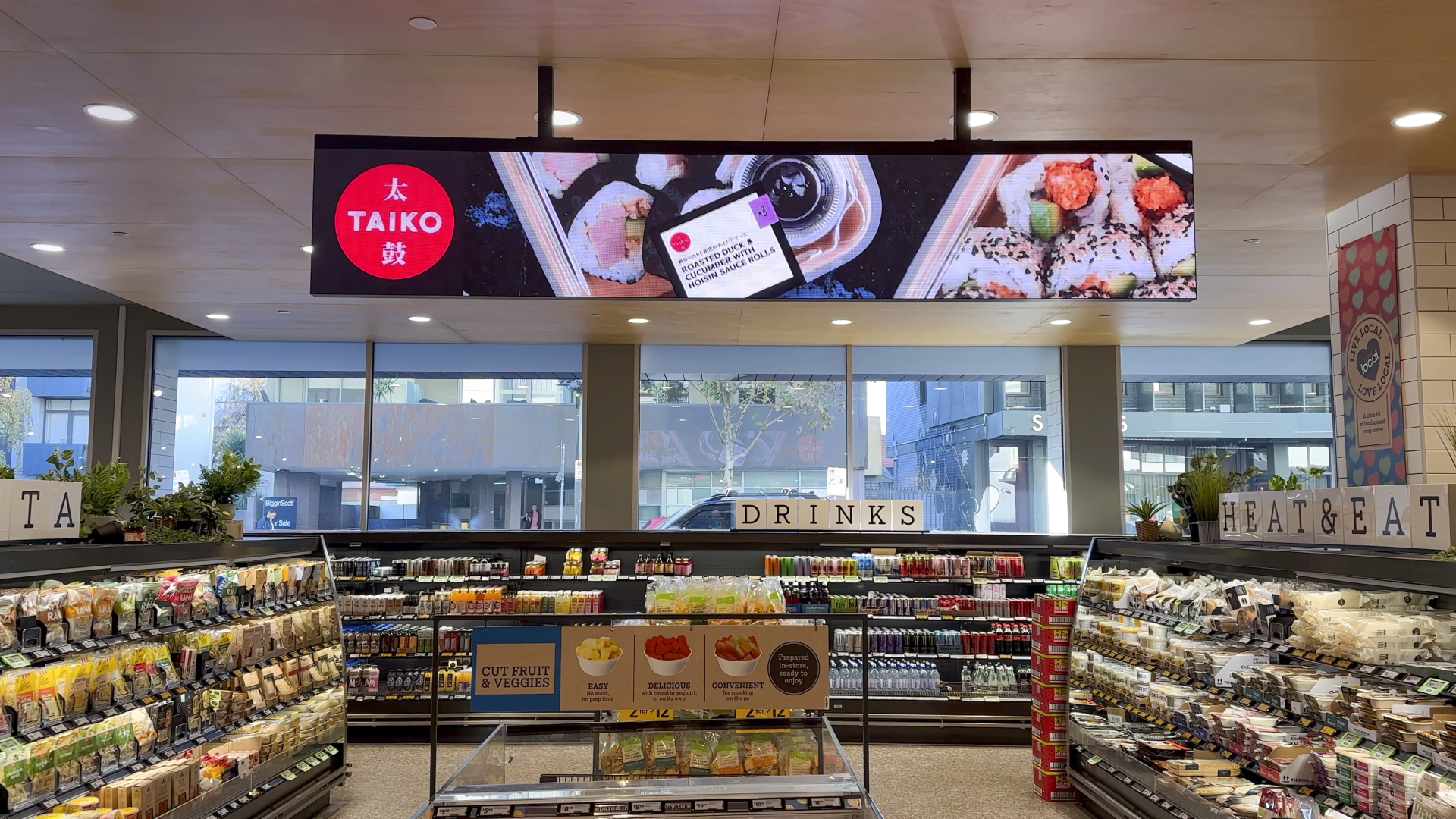
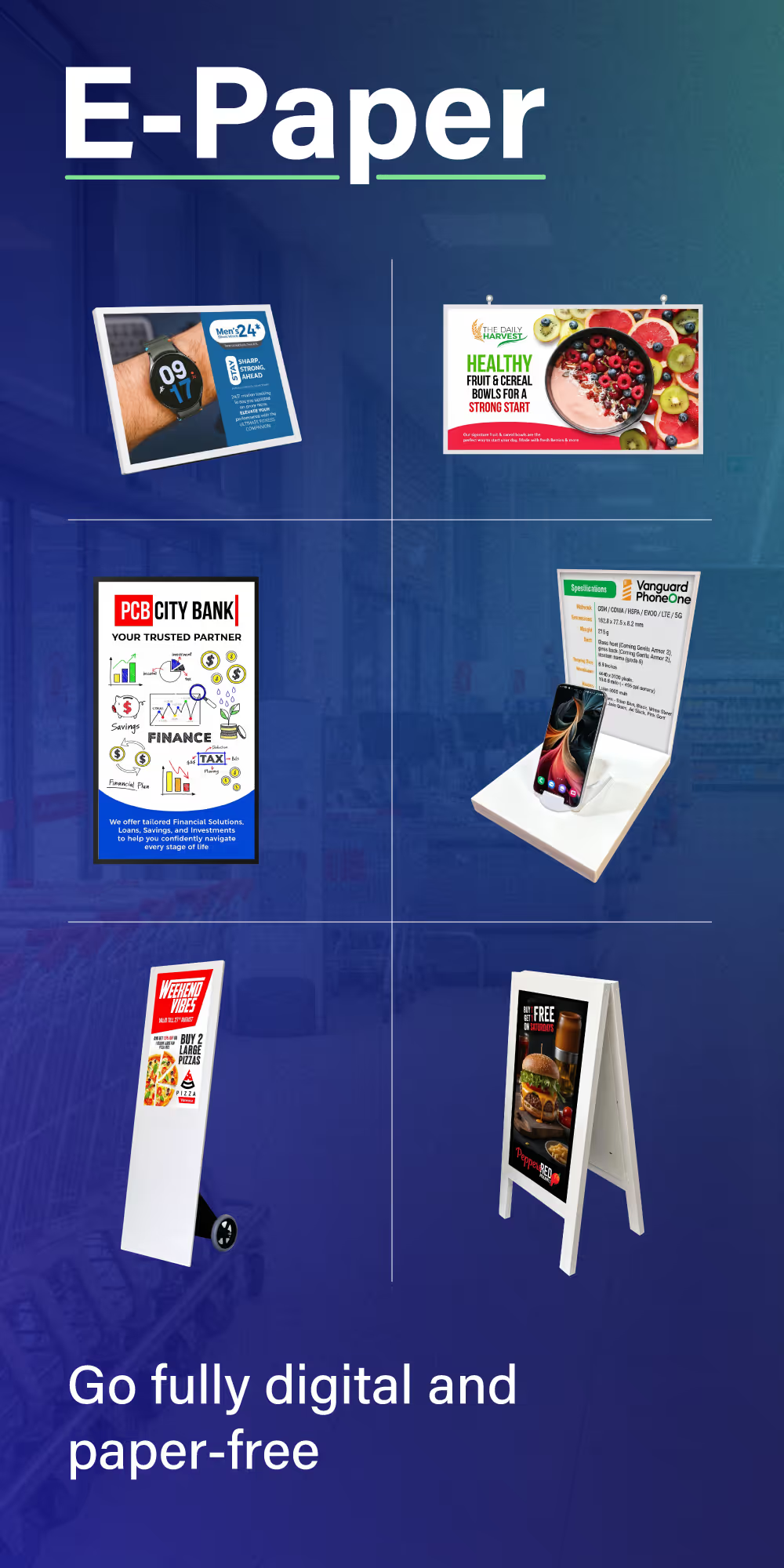
A network of digital screens eliminates the ongoing print, distribution, and disposal costs of static signage. For a medium-sized retail chain replacing printed promotional materials with digital screens, the reduction in annual paper and print consumption can be significant — both in cost and environmental terms.