Digital Signage 102

April 29, 2026

Made you look

A complete guide to digital signage including displays media players content management systems signage types and how businesses use digital signage to engage audiences.

Digital Signage

In today's fast-paced digital world, the relevance of digital signage has escalated remarkably. This innovative technology not only enhances the visual presentation of information but also engages audiences in a dynamic way. Let's dive into the fundamentals of digital signage and explore its various components, types, and applications.

Understanding the Components of a Digital Signage System

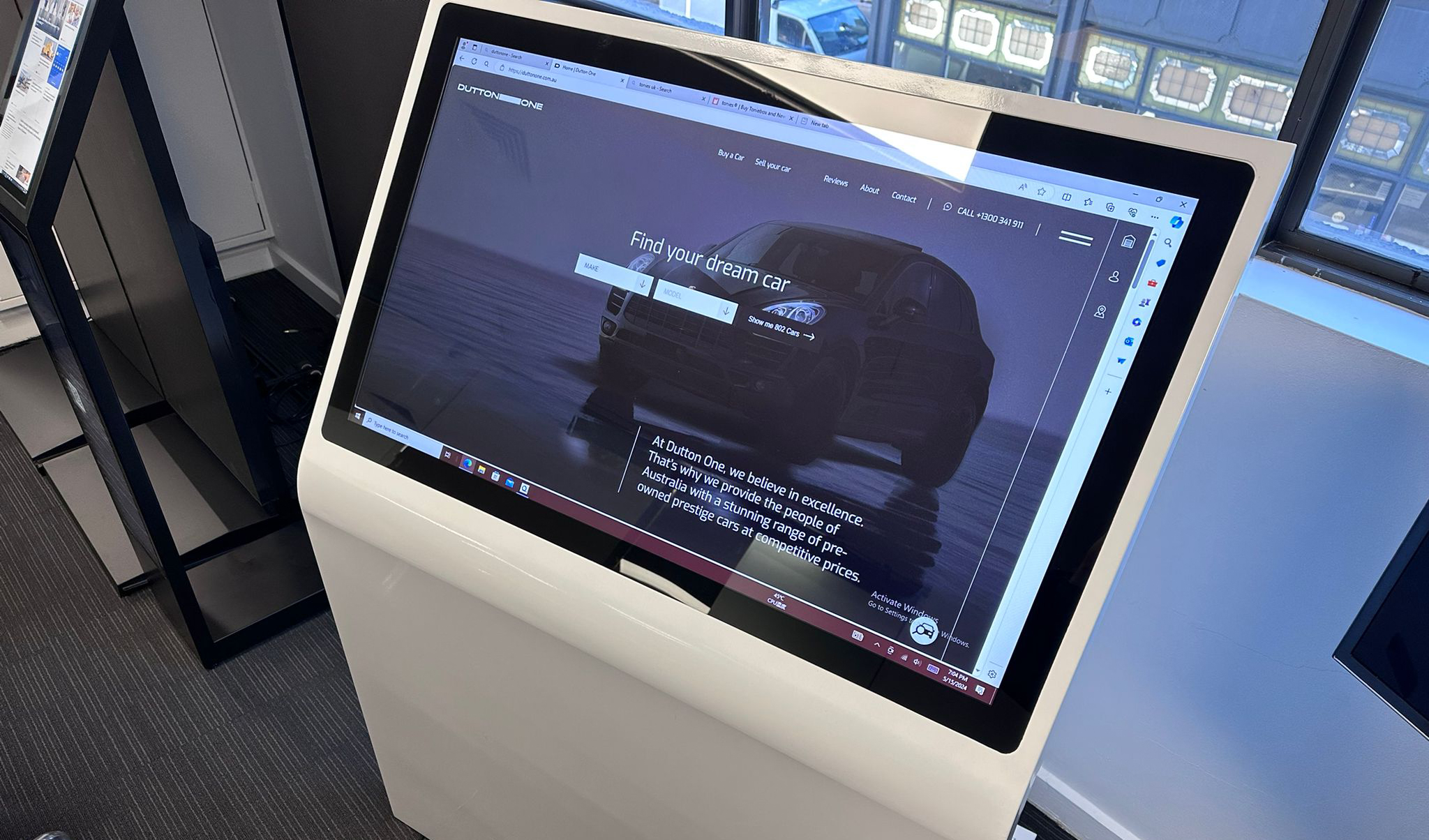
A digital signage system is made up of several key components that work together to deliver captivating content. These include displays, which can range from flat-screen monitors and LED panels to outdoor billboards and interactive kiosks. Media players are the workhorses of the system, feeding the content to the displays. The content management system (CMS) is the brain of the operation, allowing users to create, manage, and distribute content. Lastly, connectivity options like Wi-Fi, Ethernet, or cellular data ensure seamless communication between these components.

Types of Digital Signage

Digital signage can be categorised into several types based on their application and technology. Traditional digital signage uses standard displays to broadcast pre-scheduled content. Interactive digital signage, on the other hand, allows users to interact with the content through touchscreens or other input devices. Menu boards in restaurants and QSR (Quick Service Restaurants) are a common type of digital signage, as are outdoor LED billboards and transportation-oriented displays.

Applications of Digital Signage

Digital signage finds applications in a wide variety of settings. In retail, it's used to attract customers, promote products, and create immersive shopping experiences. In corporate environments, digital signage facilitates internal communication and enhances the overall workplace experience. Hospitals and other healthcare facilities use digital signage for wayfinding, patient information, and health promotion. Hospitality businesses like hotels and restaurants leverage digital signage to enhance guest experiences and streamline service. Public transportation systems, airports, and sports venues use digital signage for information dissemination and advertising.

The Power of Digital Signage in Different Industries

Digital signage has proven its worth across various industries. In retail, it's a powerful tool for product promotion, customer engagement, and driving sales. In corporate settings, it's instrumental in internal communications, enhancing brand identity, and employee engagement. In healthcare, it improves patient experience, communication, and information access. In the hospitality industry, it elevates the guest experience, improves service efficiency, and boosts revenue.

Digital Signage Content Creation

Creating effective digital signage content is a blend of art and science. The content must be visually appealing, relevant, and engaging. High-quality images and videos, compelling copy, and a consistent brand identity are all crucial elements of effective digital signage content. The content should be tailored to the audience and the context of the display. For instance, a retail display in a clothing store would require very different content from a digital menu board in a fast-food restaurant.

Managing and Deploying Content in Digital Signage Systems

Once the content is created, it needs to be managed and deployed effectively. This is where the CMS comes in. A robust CMS allows users to organise, schedule, and distribute content across multiple displays. It also enables real-time updates and remote management, making it a crucial tool in the digital signage ecosystem. Deployment strategies can vary, from a simple single-display setup to complex networks of screens spread across multiple locations.


Digital Signage

Digital Signage 102

A complete guide to digital signage including displays media players content management systems signage types and how businesses use digital signage to engage audiences.

Digital Signage

In today's fast-paced digital world, the relevance of digital signage has escalated remarkably. This innovative technology not only enhances the visual presentation of information but also engages audiences in a dynamic way. Let's dive into the fundamentals of digital signage and explore its various components, types, and applications.

Understanding the Components of a Digital Signage System

A digital signage system is made up of several key components that work together to deliver captivating content. These include displays, which can range from flat-screen monitors and LED panels to outdoor billboards and interactive kiosks. Media players are the workhorses of the system, feeding the content to the displays. The content management system (CMS) is the brain of the operation, allowing users to create, manage, and distribute content. Lastly, connectivity options like Wi-Fi, Ethernet, or cellular data ensure seamless communication between these components.

Types of Digital Signage

Digital signage can be categorised into several types based on their application and technology. Traditional digital signage uses standard displays to broadcast pre-scheduled content. Interactive digital signage, on the other hand, allows users to interact with the content through touchscreens or other input devices. Menu boards in restaurants and QSR (Quick Service Restaurants) are a common type of digital signage, as are outdoor LED billboards and transportation-oriented displays.

Applications of Digital Signage

Digital signage finds applications in a wide variety of settings. In retail, it's used to attract customers, promote products, and create immersive shopping experiences. In corporate environments, digital signage facilitates internal communication and enhances the overall workplace experience. Hospitals and other healthcare facilities use digital signage for wayfinding, patient information, and health promotion. Hospitality businesses like hotels and restaurants leverage digital signage to enhance guest experiences and streamline service. Public transportation systems, airports, and sports venues use digital signage for information dissemination and advertising.

The Power of Digital Signage in Different Industries

Digital signage has proven its worth across various industries. In retail, it's a powerful tool for product promotion, customer engagement, and driving sales. In corporate settings, it's instrumental in internal communications, enhancing brand identity, and employee engagement. In healthcare, it improves patient experience, communication, and information access. In the hospitality industry, it elevates the guest experience, improves service efficiency, and boosts revenue.

Digital Signage Content Creation

Creating effective digital signage content is a blend of art and science. The content must be visually appealing, relevant, and engaging. High-quality images and videos, compelling copy, and a consistent brand identity are all crucial elements of effective digital signage content. The content should be tailored to the audience and the context of the display. For instance, a retail display in a clothing store would require very different content from a digital menu board in a fast-food restaurant.

Managing and Deploying Content in Digital Signage Systems

Once the content is created, it needs to be managed and deployed effectively. This is where the CMS comes in. A robust CMS allows users to organise, schedule, and distribute content across multiple displays. It also enables real-time updates and remote management, making it a crucial tool in the digital signage ecosystem. Deployment strategies can vary, from a simple single-display setup to complex networks of screens spread across multiple locations.

next steps

Ready to start a conversation?

Speak with our team about digital signage, CMS software, or retail media infrastructure. We’ll help you scope, design, and deploy the right solution.