
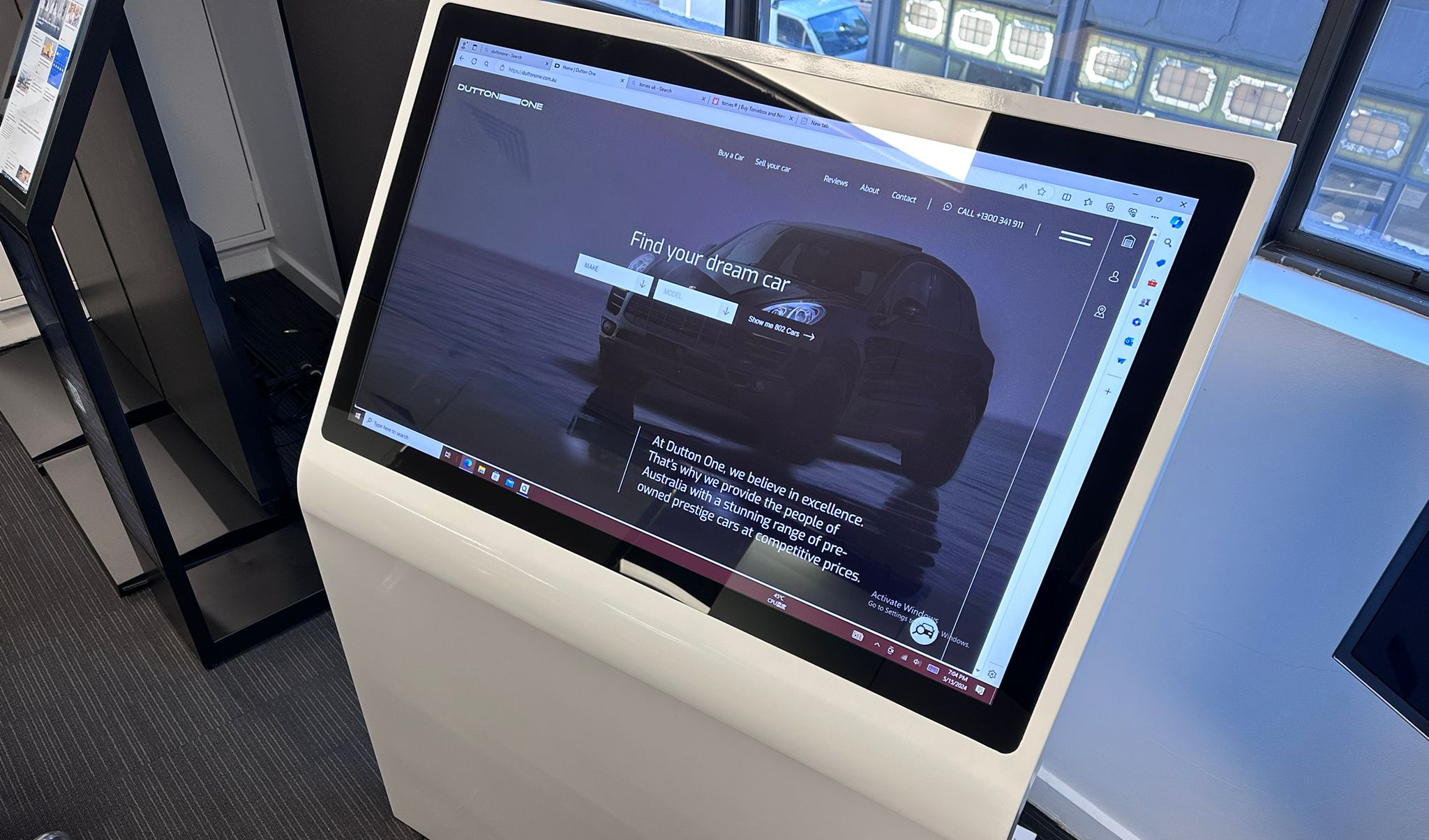

Digital wayfinding screens provide interactive navigation maps real time updates and branded visitor guidance for shopping centres campuses airports and corporate environments.
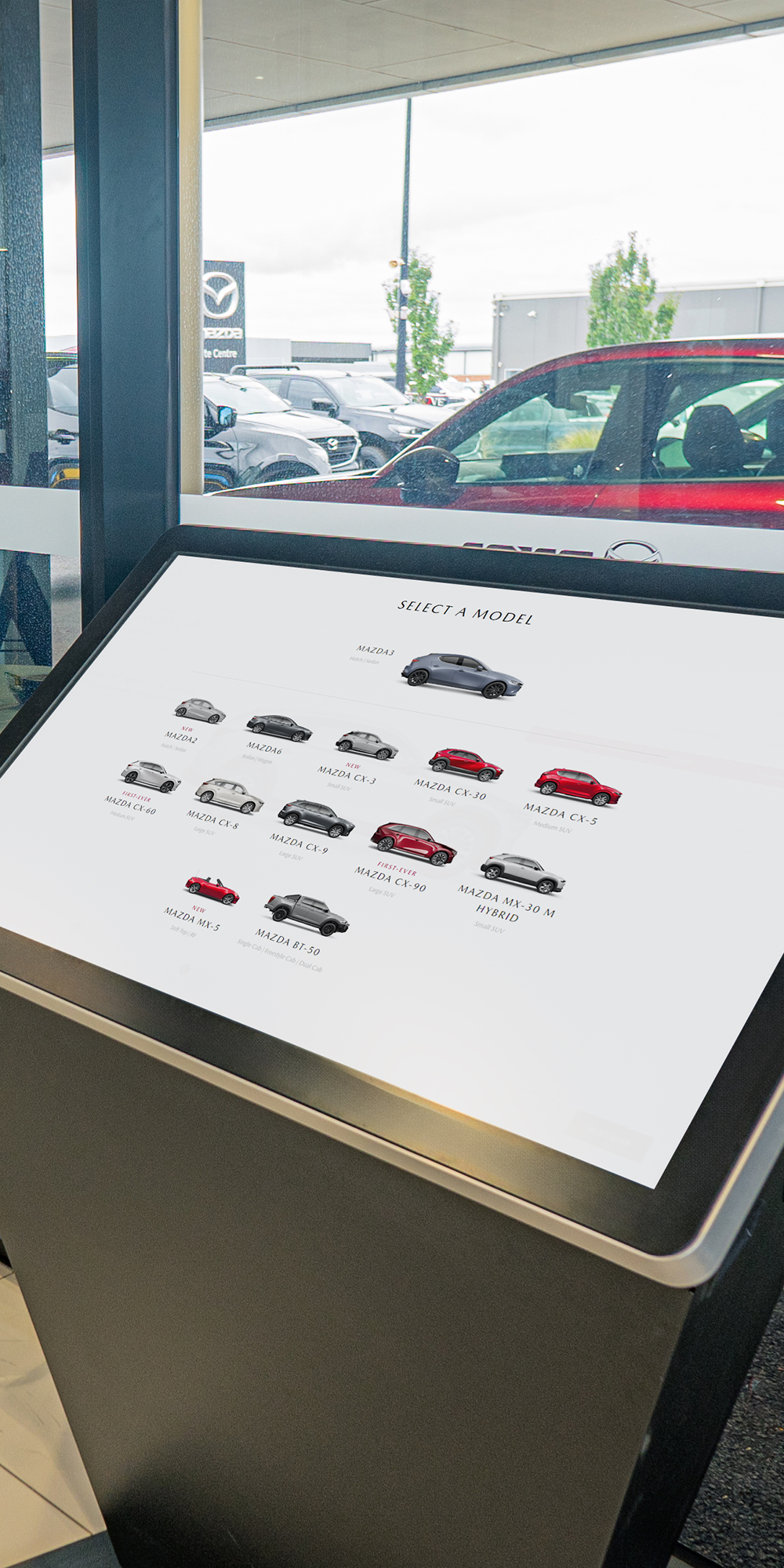
Digital wayfinding screens are transforming how visitors navigate complex environments including shopping centres, hospitals, airports, corporate campuses, and university precincts. Unlike static signage, digital wayfinding systems provide interactive, real-time navigation that adapts to changing conditions — temporary closures, event-specific routes, and facility updates — without the cost and lead time of reprinting physical signage.
What Is Digital Wayfinding?
Digital wayfinding refers to interactive or dynamic screens that help visitors find their way through a physical environment. Wayfinding systems range from simple static digital directories to sophisticated interactive kiosks with touch-enabled maps, real-time directory search, turn-by-turn navigation, and integration with occupancy and booking systems.
Key Applications in Australian Environments
Shopping centres use digital wayfinding to help shoppers locate stores, amenities, car parks, and event spaces. Hospitals deploy interactive directory kiosks at entry points and key decision junctions to reduce patient anxiety and staff interruptions. Corporate campuses use room booking integrations to display meeting room availability and direct visitors to the correct location. Universities deploy campus-wide wayfinding networks to orient new students, visitors, and event attendees across large and complex precincts.
Integration with onQ CMS
onQ CMS supports digital wayfinding deployments by enabling centralised management of directory content across all screens in a network. When tenants move, facilities change, or events are added, content can be updated across all wayfinding screens simultaneously from a single platform — eliminating the operational overhead of managing individual screen content manually.


.avif)
