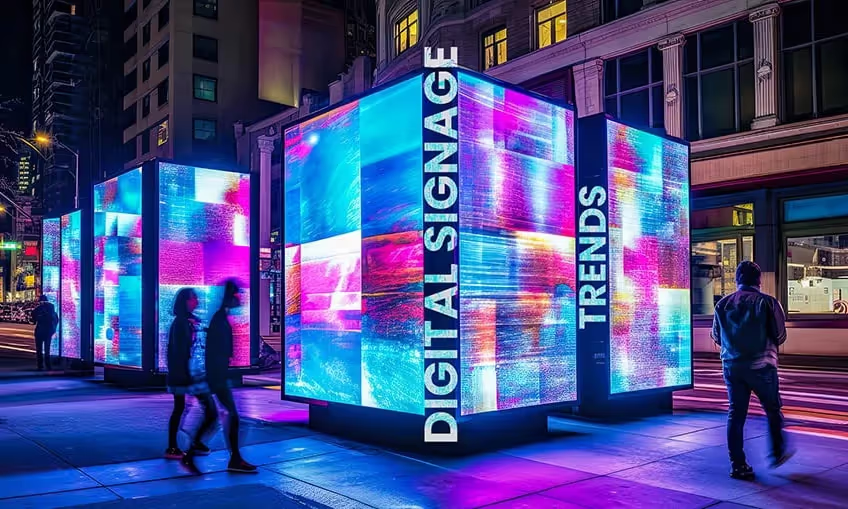
A guide explaining LED screen technology including how they work their advantages over LCD displays common applications and the future of LED display innovation.

Shedding Light on LED Screens: A Bright Technology Revolution
In today's digital age, LED screens have become ubiquitous, lighting up our lives in more ways than one. From giant outdoor billboards to the thin, sleek TVs in our living rooms, LED screens have revolutionised the way we consume and display digital content. But what exactly is an LED screen, and how does it work? And more importantly, how are LED screens transforming businesses and industries? Let's delve deeper into the bright world of LED screens.
What Is an LED Screen?
An LED screen, short for Light-Emitting Diode screen, is a type of flat panel display that uses LEDs for backlighting rather than the cold cathode fluorescent lights used in traditional LCD displays. While both LED screens and standard LCDs use a liquid crystal display, the key difference lies in the light source. LED screens are not only brighter and more energy-efficient, but they also offer better colour accuracy and a longer lifespan than conventional LCD screens.
How LED Screens Work
LED screens work by using a backlit panel of LEDs. When an electric current passes through the LEDs, they emit light, illuminating the pixels of the display. The pixels themselves don't produce light, but control the amount of light that passes through them, creating the image you see on the screen. There are two types of LED backlighting: edge-lit and full-array. Edge-lit LEDs are placed around the perimeter of the screen, while full-array LEDs are spread across the back of the screen, offering more precise control over light and dark areas.
The Benefits of LED Screens
LED screens offer a multitude of benefits over other types of display technology. They are energy-efficient since LED technology uses less energy than traditional LCD or plasma screens, resulting in lower electricity bills and a reduced carbon footprint. They have a longer lifespan, as LEDs last longer than other types of light sources, meaning LED screens can have a lifespan of up to 100,000 hours. LED screens produce vibrant, high-quality images with a wide colour gamut and high contrast ratios, resulting in better picture quality. They come in a wide range of sizes and shapes, making them versatile for various applications in retail, outdoor advertising, hospitality, and corporate environments. They also offer high brightness, as they can produce a high level of brightness, making them ideal for use in well-lit environments or outdoors.
LED Screens in Business
LED screens have found a wide range of applications in the business world. In retail, LED screens are used for digital signage, advertising, and creating immersive customer experiences. In the corporate world, LED screens are used in conference rooms, lobbies, and other public spaces for presentations and information display. In the hospitality industry, LED screens are used for entertainment, advertising, and enhancing the guest experience. In outdoor settings, LED screens are used for billboard advertising, sports scoreboards, and public information displays.
LED Screen Hire and LED Screen for Sale
Whether you're looking for an LED screen for a one-off event or a long-term installation, there are options to suit every need and budget. LED screen hire is a popular choice for events and temporary installations, while purchasing an LED screen outright is a cost-effective option for long-term use. At onQ Digital, we offer a wide range of LED screens for sale, from small indoor screens to large outdoor billboards, all of which come with expert installation and ongoing support.