The Global Rise of Retail Media Networks: A New Era in Advertising

April 29, 2026

Made you look

Explains the global growth of retail media networks including first party data advertising retailer owned media platforms and the future of RMN ecosystems.
In the ever-evolving landscape of digital marketing, one trend that has recently garnered significant attention is the explosive growth of Retail Media Networks (RMNs). Once considered a niche segment of the advertising industry, RMNs are now a driving force behind the strategic plans of major retailers worldwide, fundamentally changing how brands reach and engage with consumers.

The Global Rise of RMNs

The rise of retail media networks can be traced back to the early 2010s when Amazon began to monetise its vast customer data and website traffic through advertising. Since then, the concept has expanded far beyond e-commerce, with physical retailers increasingly recognising the value of their own first-party data and the captive audience they have in their physical stores. Companies like Walmart (through its Walmart Connect), Kroger, Boots, and more recently Australian retailers like Woolworths (Cartology) and Coles, have all established RMNs, signalling a global shift towards more integrated and data-driven retail advertising strategies.

The Value Proposition of RMNs

At the heart of the RMN model is the use of first-party data. Retailers have access to a treasure trove of consumer data, including purchase history, browsing behaviour, and loyalty program participation. This data is immensely valuable because it offers advertisers precise targeting capabilities, allowing them to reach consumers at the most critical point of their purchasing journey, i.e., when they are in-store or browsing online with a high purchase intent.

For advertisers, this means the ability to deliver highly relevant ads to a targeted audience, leading to higher engagement rates and, ultimately, better return on ad spend (ROAS). For retailers, it represents a new revenue stream that monetises their existing assets (data and physical space) while enhancing the value they offer to brand partners.

The Role of Physical Retail in RMNs

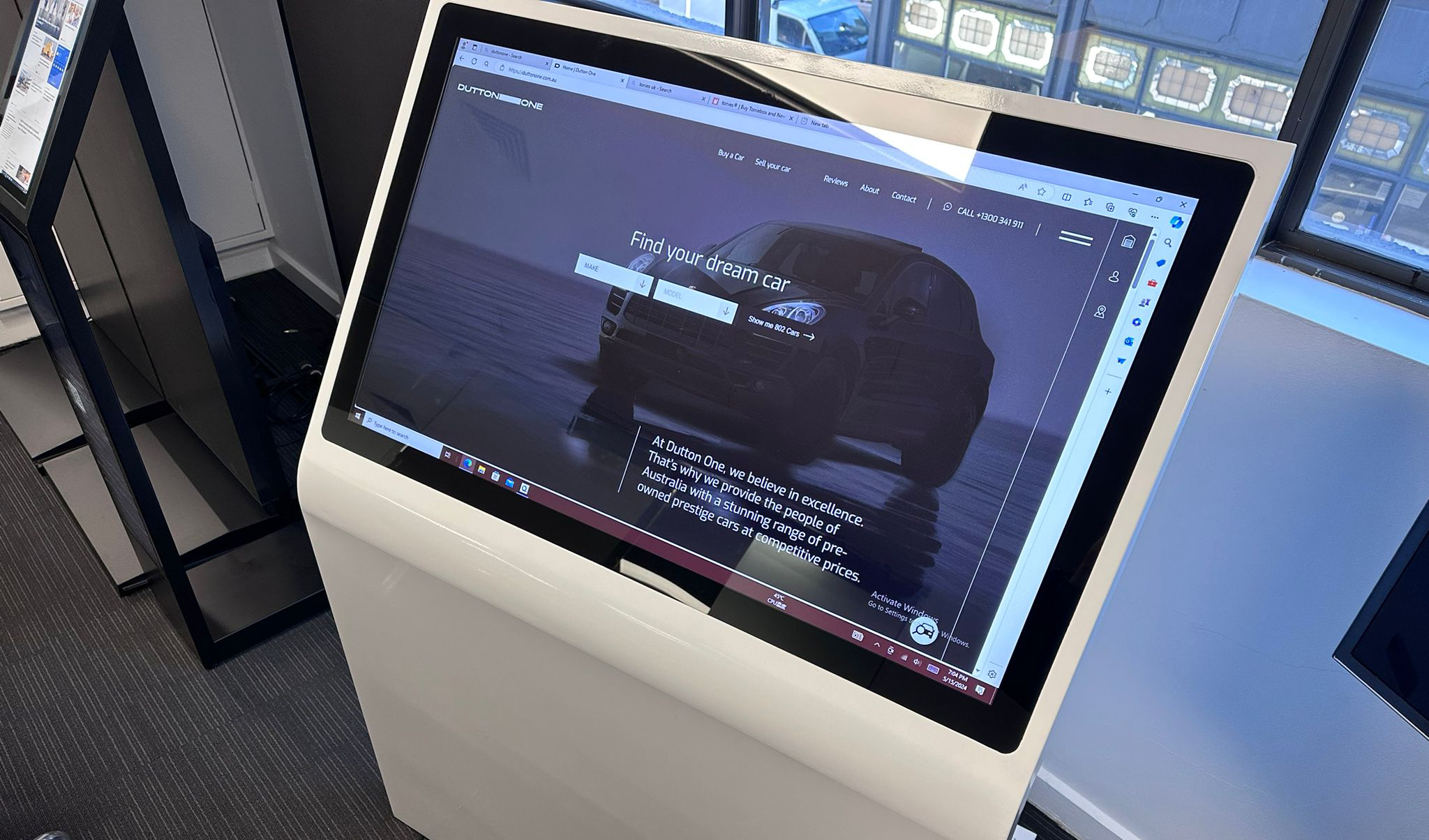
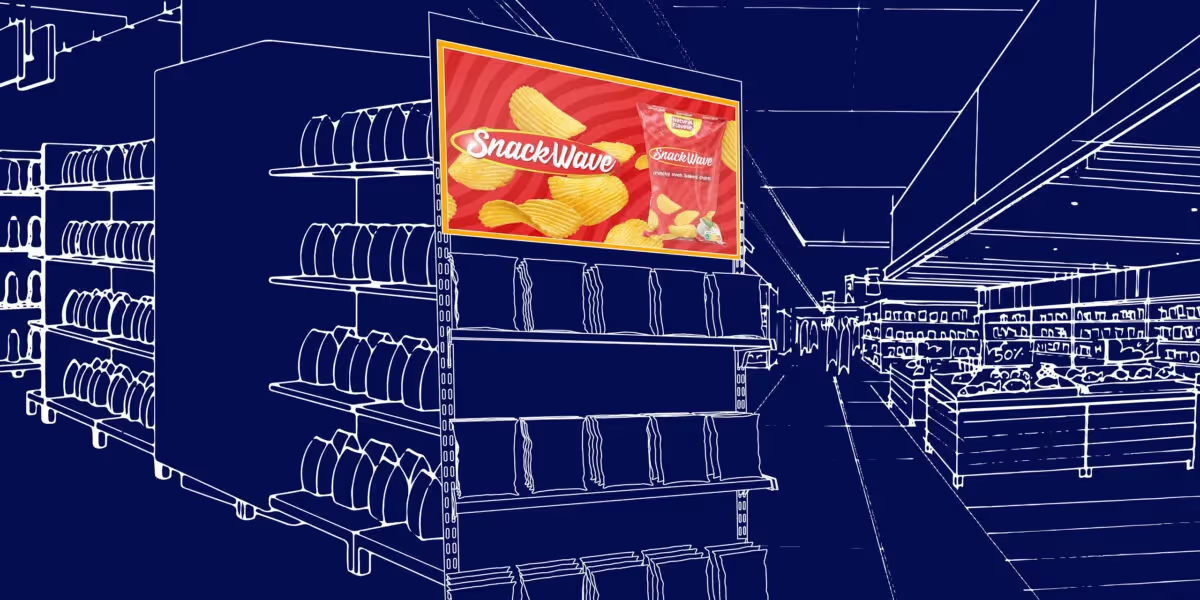
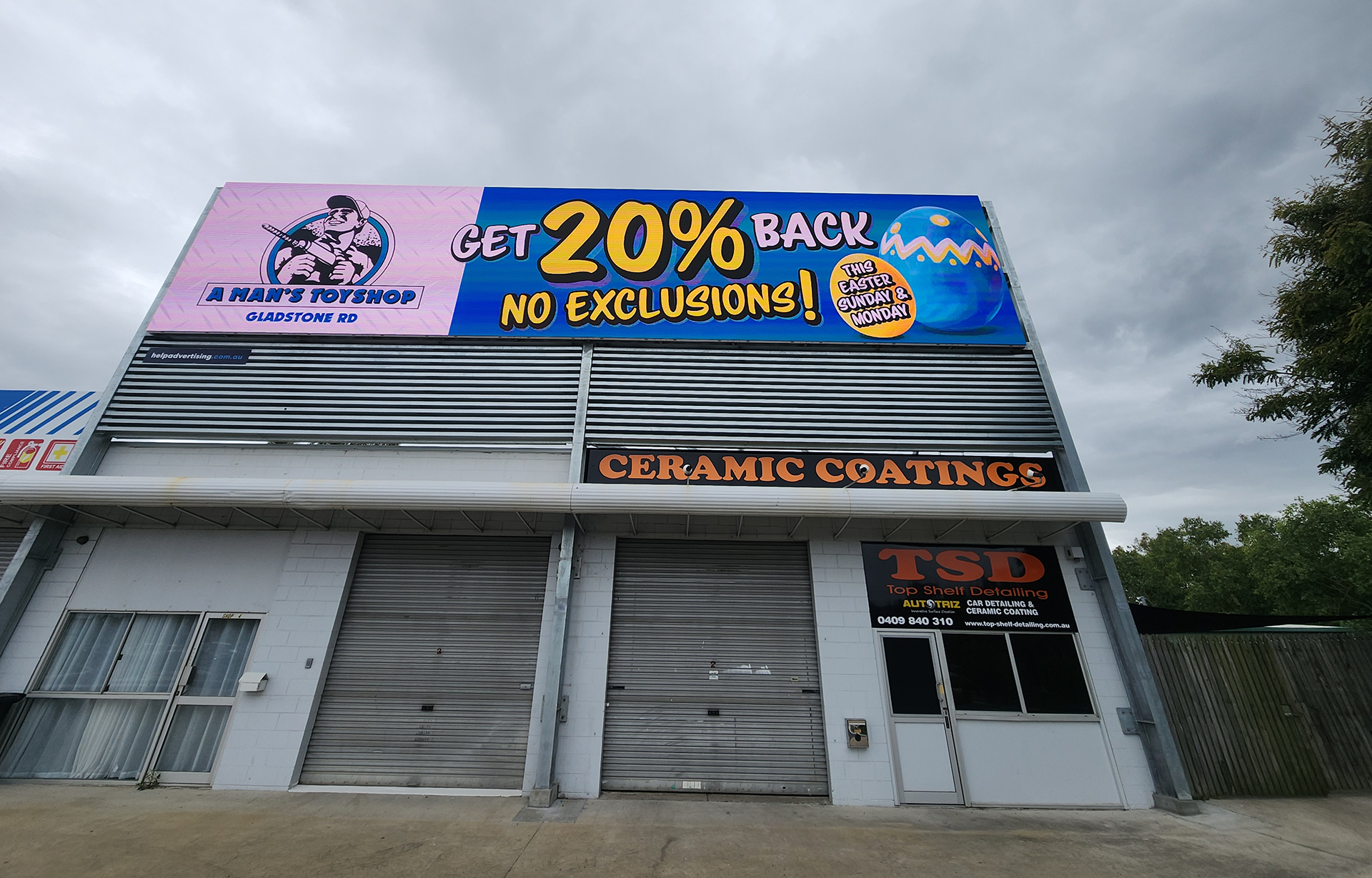
While much of the discussion around RMNs focuses on digital channels, the physical retail environment plays a crucial role in this ecosystem. In-store digital signage, for example, is a powerful tool for retailers looking to extend their RMN into the physical realm. By leveraging digital screens to display targeted ads and promotions, retailers can create a seamless and integrated shopping experience that bridges the online and offline worlds.

In-store digital signage offers a unique advantage: it can reach consumers at the point of purchase, where decisions are made. This proximity to the moment of purchase makes in-store advertising incredibly powerful for driving impulse buys and promoting brand awareness. Moreover, digital signage can be updated in real-time, allowing for dynamic content that can respond to inventory changes, weather, time of day, or even specific customer segments present in the store.

Retail Media

The Global Rise of Retail Media Networks: A New Era in Advertising

Explains the global growth of retail media networks including first party data advertising retailer owned media platforms and the future of RMN ecosystems.

In the ever-evolving landscape of digital marketing, one trend that has recently garnered significant attention is the explosive growth of Retail Media Networks (RMNs). Once considered a niche segment of the advertising industry, RMNs are now a driving force behind the strategic plans of major retailers worldwide, fundamentally changing how brands reach and engage with consumers.

The Global Rise of RMNs

The rise of retail media networks can be traced back to the early 2010s when Amazon began to monetise its vast customer data and website traffic through advertising. Since then, the concept has expanded far beyond e-commerce, with physical retailers increasingly recognising the value of their own first-party data and the captive audience they have in their physical stores. Companies like Walmart (through its Walmart Connect), Kroger, Boots, and more recently Australian retailers like Woolworths (Cartology) and Coles, have all established RMNs, signalling a global shift towards more integrated and data-driven retail advertising strategies.

The Value Proposition of RMNs

At the heart of the RMN model is the use of first-party data. Retailers have access to a treasure trove of consumer data, including purchase history, browsing behaviour, and loyalty program participation. This data is immensely valuable because it offers advertisers precise targeting capabilities, allowing them to reach consumers at the most critical point of their purchasing journey, i.e., when they are in-store or browsing online with a high purchase intent.

For advertisers, this means the ability to deliver highly relevant ads to a targeted audience, leading to higher engagement rates and, ultimately, better return on ad spend (ROAS). For retailers, it represents a new revenue stream that monetises their existing assets (data and physical space) while enhancing the value they offer to brand partners.

The Role of Physical Retail in RMNs

While much of the discussion around RMNs focuses on digital channels, the physical retail environment plays a crucial role in this ecosystem. In-store digital signage, for example, is a powerful tool for retailers looking to extend their RMN into the physical realm. By leveraging digital screens to display targeted ads and promotions, retailers can create a seamless and integrated shopping experience that bridges the online and offline worlds.

In-store digital signage offers a unique advantage: it can reach consumers at the point of purchase, where decisions are made. This proximity to the moment of purchase makes in-store advertising incredibly powerful for driving impulse buys and promoting brand awareness. Moreover, digital signage can be updated in real-time, allowing for dynamic content that can respond to inventory changes, weather, time of day, or even specific customer segments present in the store.

next steps

Ready to start a conversation?

Speak with our team about digital signage, CMS software, or retail media infrastructure. We’ll help you scope, design, and deploy the right solution.