


A breakdown of the top retail media network trends shaping advertising in 2025 including AI driven personalization programmatic media buying first party data strategies and in store digital signage networks.
Top 10 Retail Media Network Trends to Watch in 2025
The retail media landscape is undergoing a transformative evolution as brands and retailers harness the power of data, technology, and innovation to capture consumer attention. In 2025, retail media networks are set to become even more sophisticated, personalised, and integrated into the shopping journey. Here are the top 10 trends shaping this space.
1. AI-Powered Personalisation at Scale
Retailers are deploying AI to analyse vast datasets in real-time, enabling hyper-personalised ads that match individual shopper preferences, purchase history, and browsing behaviour. Expect to see personalisation become the standard, not the exception, across in-store and online retail media.
2. Expansion Beyond Grocery
While grocery has dominated retail media networks, 2025 will see rapid expansion into sectors like home improvement, fashion, electronics, and foodservice. Retailers in these categories are investing heavily in data infrastructure and ad tech to monetise their first-party data and digital real estate.
3. In-Store Media Renaissance
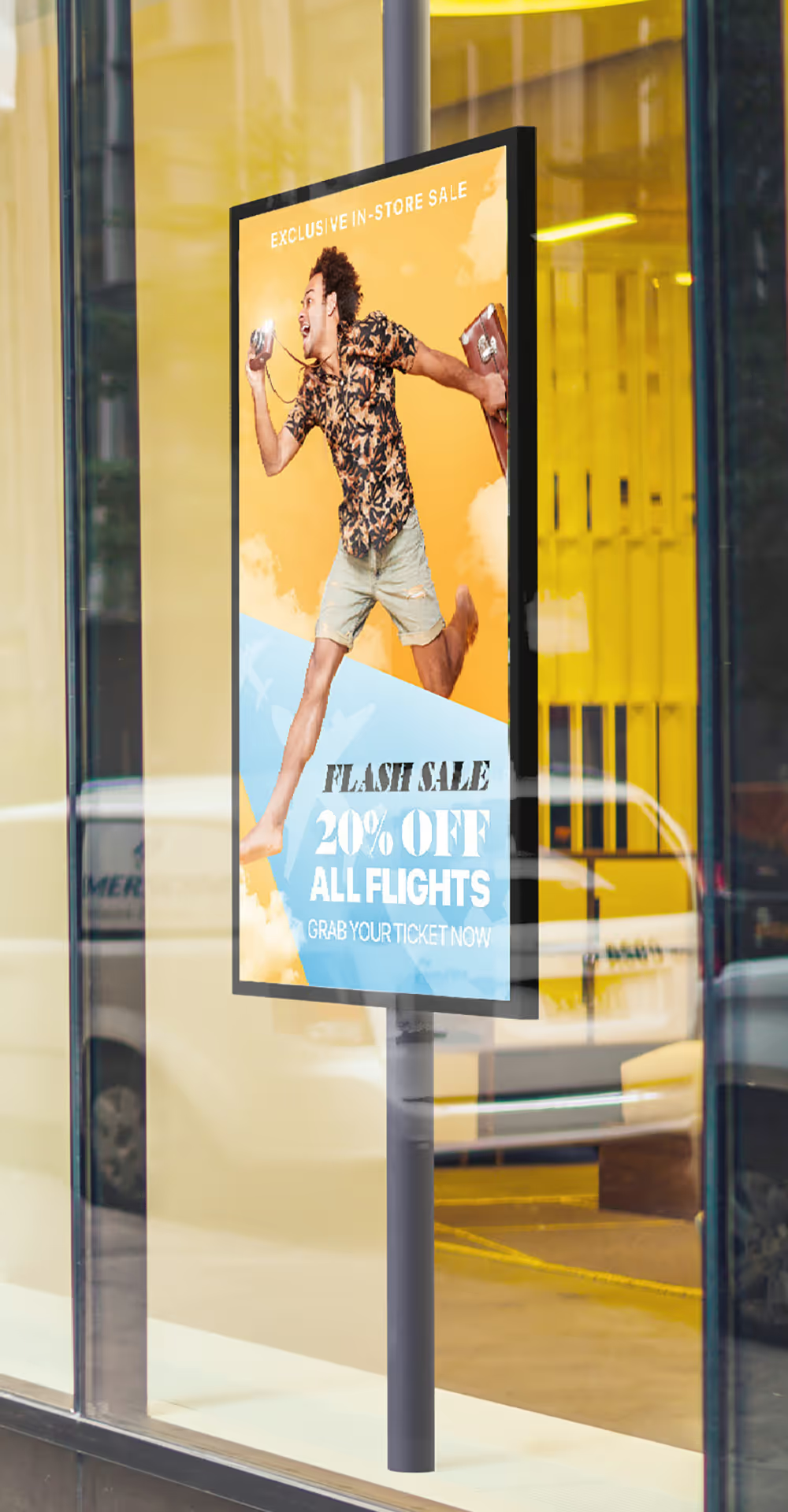
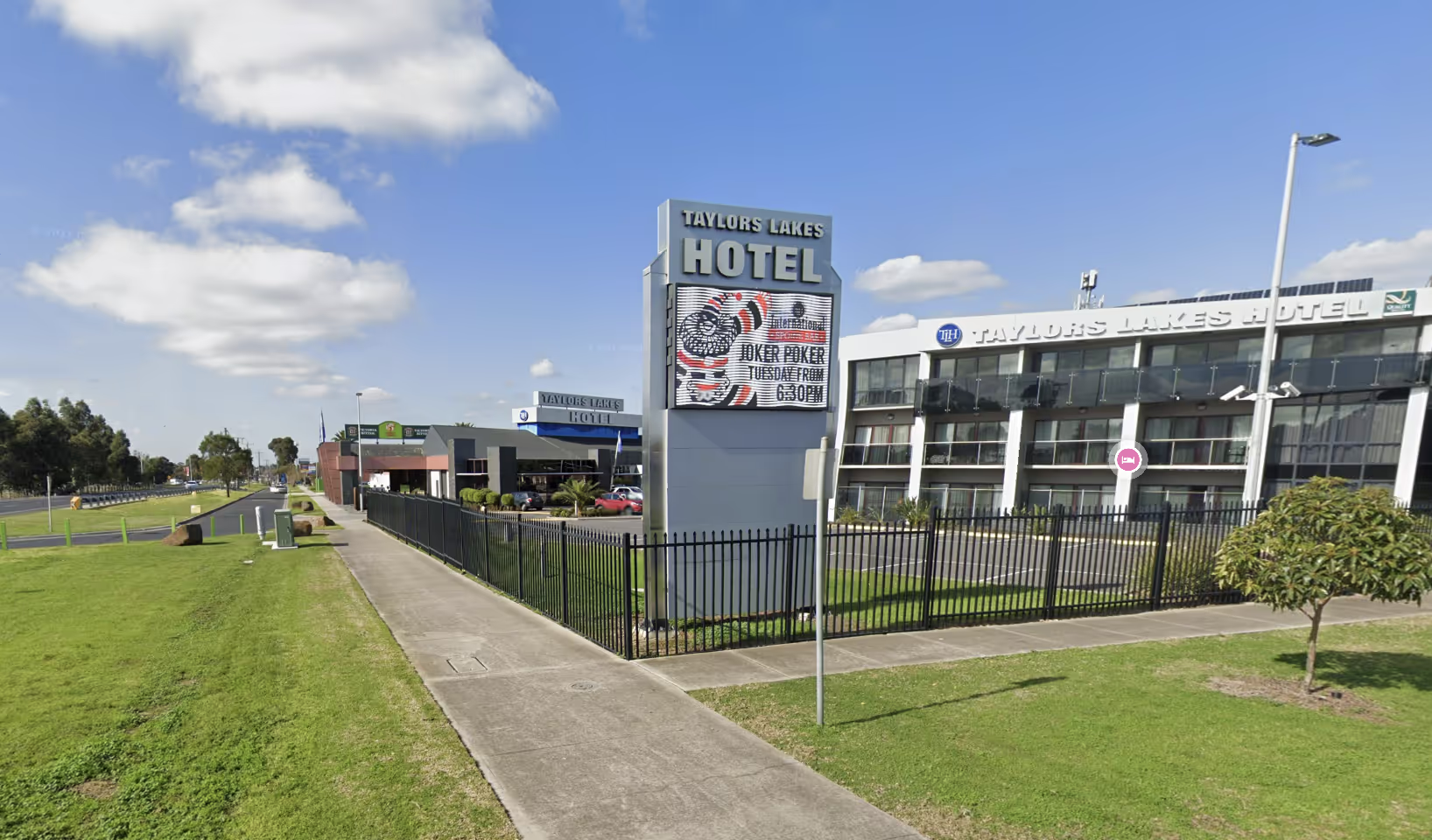
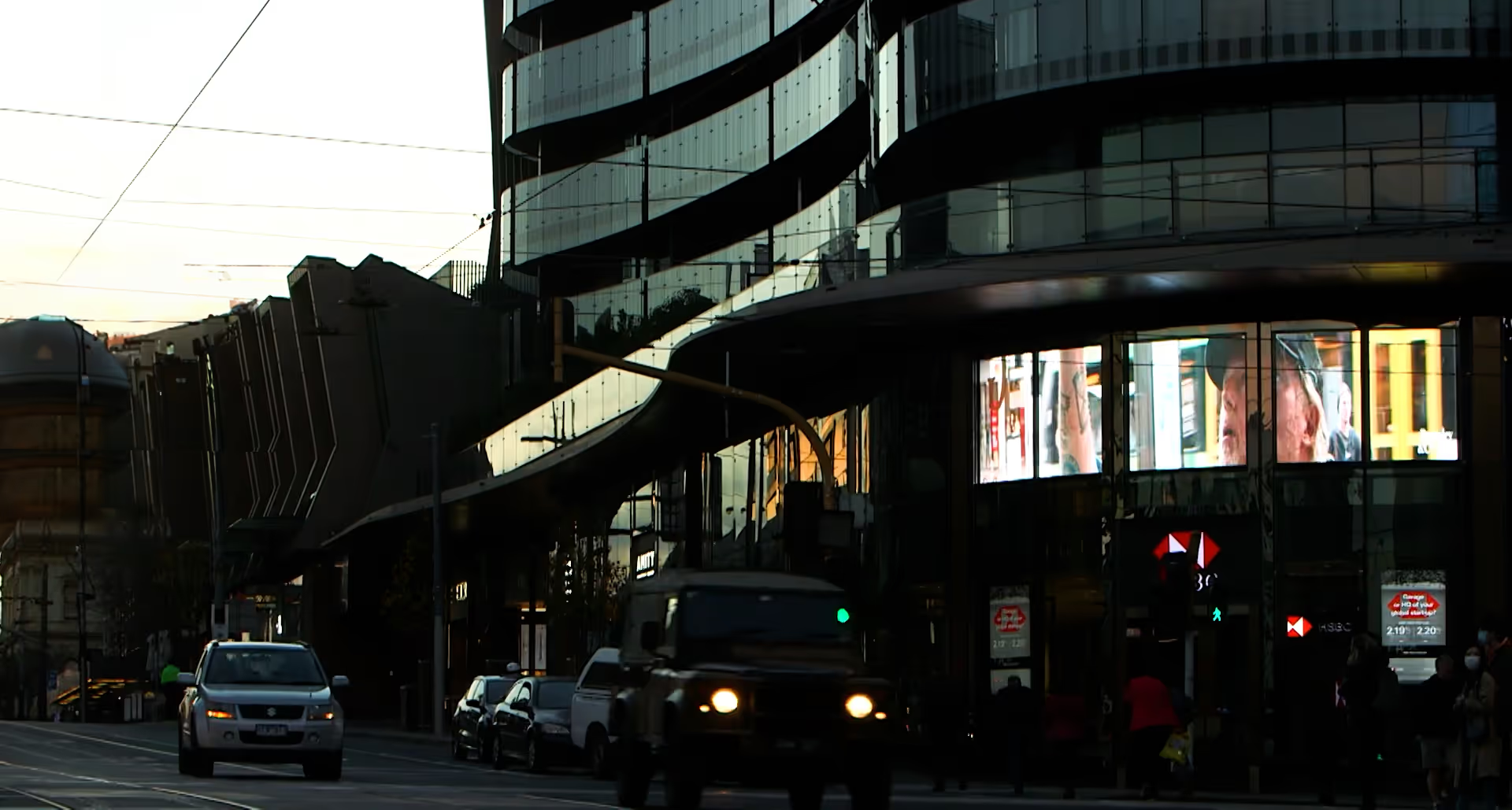
With third-party cookies fading and digital ad fatigue rising, in-store retail media is experiencing a renaissance. Digital screens, interactive kiosks, and connected audio systems within physical stores are becoming high-value ad inventory, delivering measurable impact at the point of purchase.
4. Programmatic Buying for In-Store Inventory
Programmatic advertising is breaking through to physical retail environments. Retailers and media networks are enabling automated, data-driven purchasing of in-store digital ad inventory, offering brands precision targeting and real-time optimisation in brick-and-mortar settings.
5. Closed-Loop Attribution
Proving ROI remains a top priority. Retail media networks are developing more sophisticated closed-loop attribution models that directly link ad exposure to purchase behaviour. This includes on-receipt attribution, loyalty program tie-ins, and advanced measurement frameworks.
6. Multi-Retailer Networks and Consortiums
Smaller retailers, unable to compete with the data volumes of giants, are forming consortiums to pool first-party data. These alliances create powerful new retail media networks with broader audience reach and richer targeting capabilities.
7. Shoppable Video and Content Commerce
The convergence of entertainment and commerce is accelerating. Shoppable video formats are emerging across retailer apps, streaming platforms, and in-store screens, turning content consumption into direct purchase opportunities.
8. Offsite Retail Media Expansion
Retail media is moving beyond owned channels. Retailers are extending their audiences to third-party platforms — social media, connected TV (CTV), and the open web — enabling brands to activate first-party retail data across the broader digital ecosystem.
9. Standardisation and Measurement Frameworks
Industry bodies and major players are pushing for standardised metrics and measurement protocols. Common frameworks for impressions, attribution, and reporting will build advertiser confidence and accelerate retail media investment.
10. Audio as a Retail Media Channel
In-store audio is emerging as a significant and underutilised retail media channel. With solutions like onQ Digital’s integrated audio platform, retailers can serve targeted, time-sensitive audio ads that complement visual in-store media, creating a truly multi-sensory shopping experience.



.avif)

