An overview of the ten most important retail digital signage trends shaping stores in 2025 including RMNs automation smart shelves AI driven personalization and programmatic digital out of home advertising.

Top 10 Retail Digital Signage Trends to Watch in 2025
As the retail industry evolves, digital signage continues to play a pivotal role in shaping the in-store experience. From AI-driven personalisation to immersive LED displays, here are the top trends that will define retail digital signage in 2025.
1. AI-Powered Dynamic Content
Artificial intelligence is transforming how content is created and delivered on digital signage. AI algorithms now analyse real-time data — including time of day, weather, foot traffic, and even audience demographics — to automatically adjust content for maximum relevance and impact.
2. Programmatic Advertising Integration
Retail media networks are increasingly integrating programmatic advertising into their digital signage infrastructure. This enables brands to buy in-store screen inventory automatically, targeting specific shopper segments with precision and measuring performance in real time.
3. Interactive and Touchless Experiences
Post-pandemic consumer expectations have accelerated the adoption of touchless interactive technology. Gesture controls, QR codes, and mobile integration are enabling shoppers to interact with digital signage safely and intuitively.
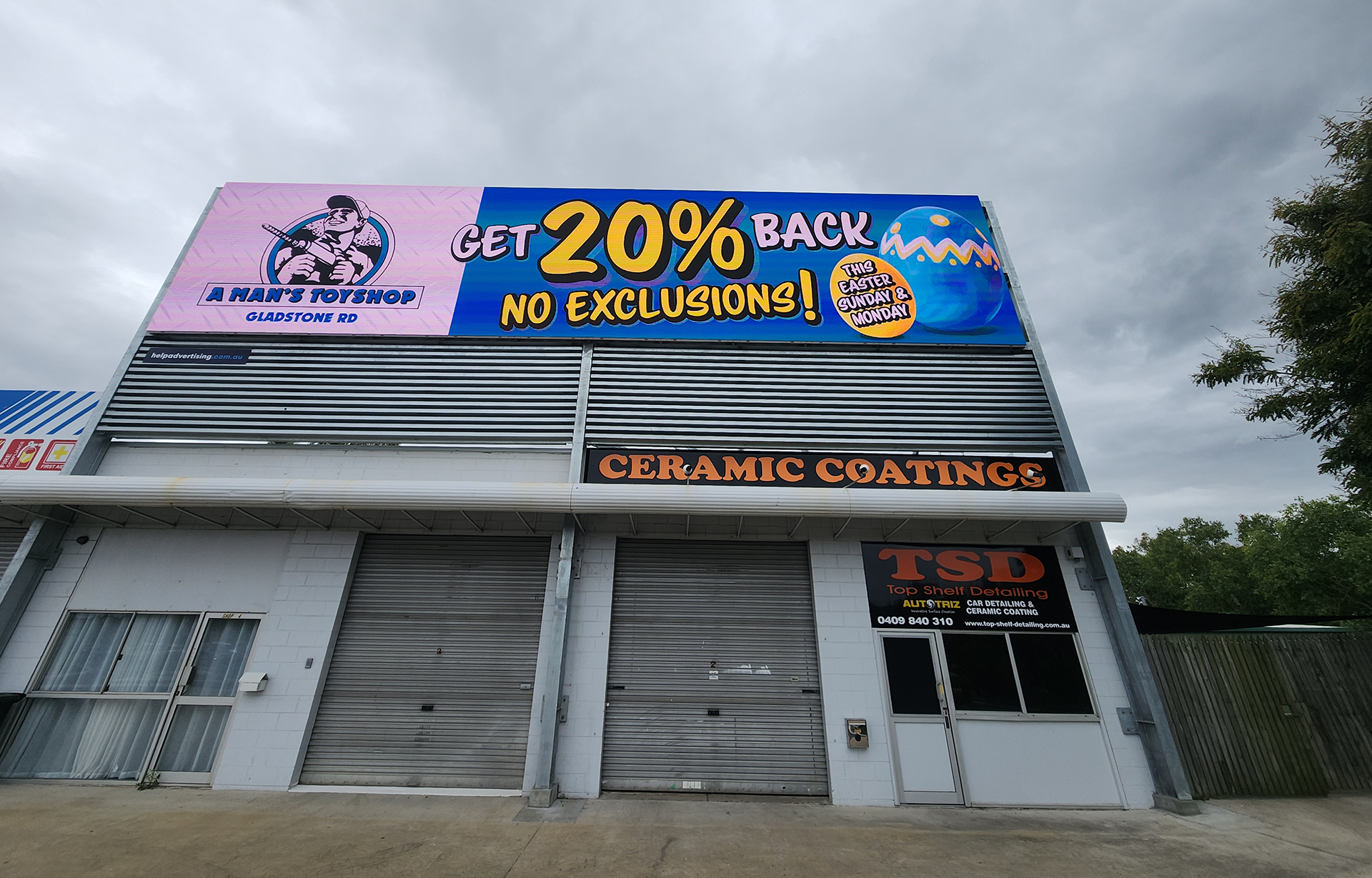
4. Ultra-High Brightness Outdoor and Window Displays
Visibility in all lighting conditions is critical for retail. Next-generation outdoor and window-facing displays with brightness levels exceeding 3,000 nits are capturing shopper attention before they even enter the store.
5. Fine-Pitch LED Video Walls
The cost of fine-pitch LED technology continues to fall, making immersive, bezel-free video walls accessible for mid-market retailers. Expect to see more retailers deploying large-format LED walls as focal points in-store.
6. Data-Driven Personalisation at Scale
First-party shopper data — from loyalty programs, transaction history, and browsing behaviour — is being leveraged to personalise content on digital screens at the individual and segment level.
7. Transparent and Flexible LED Displays
Transparent LED panels and flexible display substrates are enabling retailers to integrate digital signage into architectural features, glass facades, and creative installations that were previously impossible with rigid screens.
8. Sustainability and Energy Efficiency
Environmental responsibility is driving demand for energy-efficient displays and sustainable digital signage practices. LED technology continues to deliver significant energy savings, and retailers are increasingly prioritising suppliers with strong ESG credentials.
9. Unified Screen and Audio Platforms
The convergence of in-store screens and audio systems into unified media platforms is creating new opportunities for multi-sensory retail media. Platforms like onQ Digital’s enable retailers to manage and monetise screen and audio inventory from a single system.
10. Real-Time Data and Analytics Integration
Digital signage platforms are increasingly connected to real-time data sources — inventory, pricing, weather, social media — enabling dynamic content that responds automatically to changing conditions. Analytics capabilities are also advancing, with AI-powered audience measurement providing verified impression data for advertisers.