How to Build a Retail Media Network

April 29, 2026

Made you look

A step-by-step guide to building a retail media network in Australia — strategy, physical infrastructure, CMS, programmatic SSP connectivity, commercial operations, and how to launch and grow.

Step-by-Step Guide to Building a Retail Media Network

Building a retail media network is a multi-stage process that requires careful planning across technology, commercial, and operational dimensions.

Step 1: Define Your Network Strategy

Before deploying any technology, define your network strategy: what is the primary objective, what is the target scale, what is the target audience, and what is the commercial model (direct-sold only, programmatic, or both).

Step 2: Specify and Deploy the Physical Infrastructure

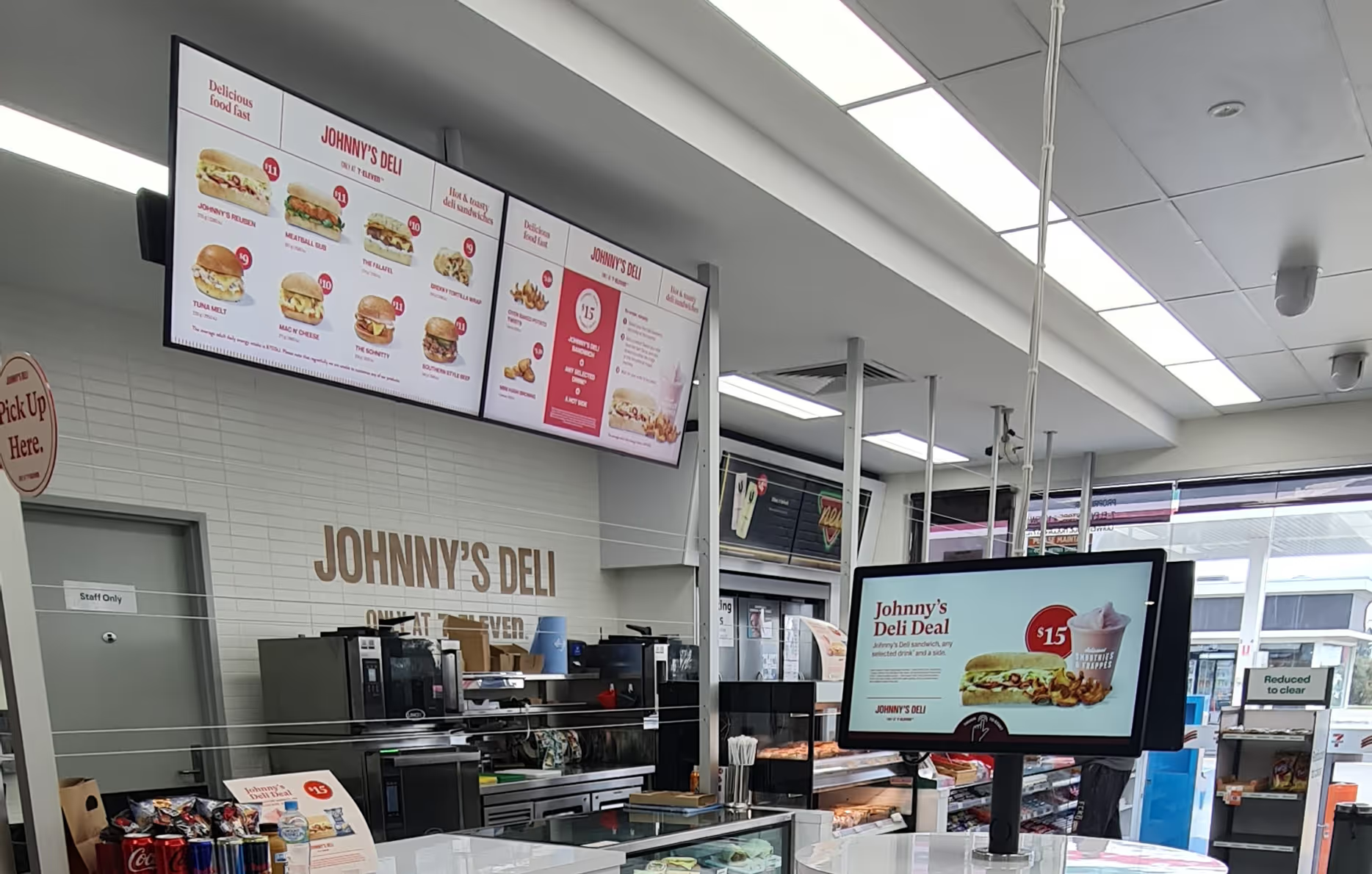
This includes commercial-grade screens specified for your environment, media players, networking infrastructure, and in-store audio systems if required. Hardware specification is critical: consumer-grade displays are not suitable for commercial retail environments due to their limited brightness, warranty, and continuous-operation ratings.

Step 3: Deploy a Retail Media CMS

The CMS must support content scheduling, multi-site management, retail media campaign logic, proof-of-play reporting, and programmatic SSP connectivity. onQ CMS is the only Australian-built platform that combines all of these capabilities in a single system.

Step 4: Connect to Programmatic Demand

Connecting your screen inventory to programmatic demand via an SSP is the key to maximising revenue. onQ Digital’s SSP connects to 35+ DSPs, enabling real-time bidding for in-store impressions. This drives CPM uplifts of 30–80% versus direct-sold-only models.

Step 5: Build Your Commercial Infrastructure

The commercial infrastructure includes the advertiser onboarding process, campaign management workflows, and reporting capabilities. For retailers without in-house commercial teams, onQ Digital provides managed commercial operations as part of its full-stack service.

Step 6: Launch and Grow

Launch with a defined set of anchor advertisers and a clear value proposition. Grow the network by adding screens, expanding to new locations, and increasing programmatic fill rates through SSP optimisation.


Retail Media

How to Build a Retail Media Network

A step-by-step guide to building a retail media network in Australia — strategy, physical infrastructure, CMS, programmatic SSP connectivity, commercial operations, and how to launch and grow.

Step-by-Step Guide to Building a Retail Media Network

Building a retail media network is a multi-stage process that requires careful planning across technology, commercial, and operational dimensions.

Step 1: Define Your Network Strategy

Before deploying any technology, define your network strategy: what is the primary objective, what is the target scale, what is the target audience, and what is the commercial model (direct-sold only, programmatic, or both).

Step 2: Specify and Deploy the Physical Infrastructure

This includes commercial-grade screens specified for your environment, media players, networking infrastructure, and in-store audio systems if required. Hardware specification is critical: consumer-grade displays are not suitable for commercial retail environments due to their limited brightness, warranty, and continuous-operation ratings.

Step 3: Deploy a Retail Media CMS

The CMS must support content scheduling, multi-site management, retail media campaign logic, proof-of-play reporting, and programmatic SSP connectivity. onQ CMS is the only Australian-built platform that combines all of these capabilities in a single system.

Step 4: Connect to Programmatic Demand

Connecting your screen inventory to programmatic demand via an SSP is the key to maximising revenue. onQ Digital’s SSP connects to 35+ DSPs, enabling real-time bidding for in-store impressions. This drives CPM uplifts of 30–80% versus direct-sold-only models.

Step 5: Build Your Commercial Infrastructure

The commercial infrastructure includes the advertiser onboarding process, campaign management workflows, and reporting capabilities. For retailers without in-house commercial teams, onQ Digital provides managed commercial operations as part of its full-stack service.

Step 6: Launch and Grow

Launch with a defined set of anchor advertisers and a clear value proposition. Grow the network by adding screens, expanding to new locations, and increasing programmatic fill rates through SSP optimisation.
Suggested FAQ's

Commonly asked Questions

How long does it take to build a retail media network?

Building a retail media network typically takes three to six months from initial scoping to first campaign. The timeline covers hardware specification and procurement, installation across the store or venue network, CMS configuration, programmatic SSP integration, advertiser onboarding, and campaign activation. onQ Digital manages the full process end-to-end and has deployed retail media networks across hundreds of sites within single campaign windows.

How much does it cost to build a retail media network?

The cost of building a retail media network varies significantly based on the number of screens, hardware specification, installation complexity, and software and managed services requirements. As a guide, a single-site pilot can be scoped from tens of thousands of dollars, while a national multi-site rollout with full onQCMS integration and managed services is priced on a custom basis. Contact onQ Digital for a scoped proposal for your network.

next steps

Ready to start a conversation?

Speak with our team about digital signage, CMS software, or retail media infrastructure. We’ll help you scope, design, and deploy the right solution.